SPCX Artificial Scarcity Trade
A retrospective options case study on SpaceX post-IPO float scarcity, staged lockup releases, trade structuring, and the difference between a sound market observation and a well-matched position.
- Role
- Independent investor and analyst
- Context
- June–September 2026
- Team
- Independent trade
- Deliverable
- Options case study
Summary
The question
SpaceX began trading with intense demand concentrated on a constrained IPO float while a much larger pool of pre-IPO shares remained locked. The decision was how to express a bearish supply-and-valuation view without taking unlimited short risk or overspending on expensive puts.
What I did
- Read the IPO and lockup structure as a supply curve: a limited initial float supported price discovery, while scheduled releases could make previously restricted employee and institutional holdings tradable.
- Compared outright puts, vertical spreads, and butterfly structures against a fixed risk budget, catalyst timing, implied-volatility risk, and the size of the decline each payoff required.
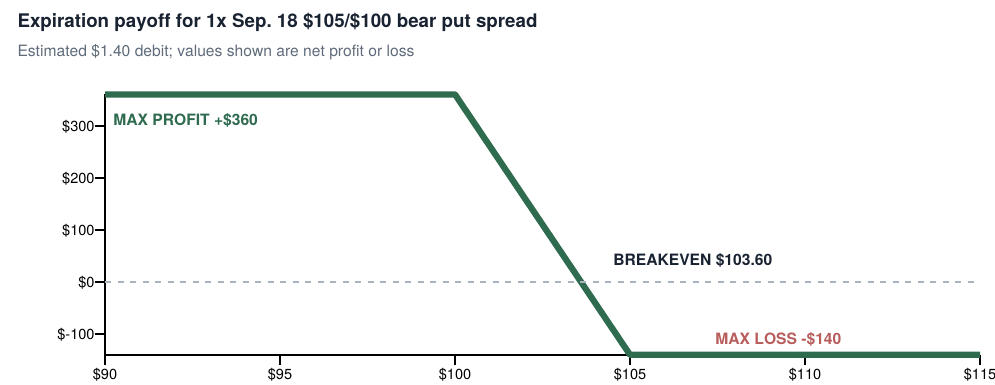
- Used one Sep. 18 $105/$100 bear put spread to cap the estimated loss at $140, then evaluated the result against the public expiration price and separated the quality of the thesis from the quality of the contract selection.
What it showed
Defined risk solved the budget problem, but not the timing and magnitude problem. The stock reflected supply concerns before the first unlock, yet the chosen spread required a much deeper decline and expired out of the money.
From the work
The premium could persist longer than conventional valuation suggested because scarcity itself was supporting the price. The bearish catalyst was not merely “overvaluation”; it was the point when previously restricted supply became executable.
Case study, section 01: market structure
Defined risk is necessary, but it is not sufficient. A position is well designed only when its strike, expiration, and payoff region align with the specific catalyst path the thesis predicts.
Case study, section 04: decision principle
Charts and slides
| Structure | Est. risk | Max / target profit | Why it was not the final choice |
|---|---|---|---|
| Dec. $190/$170 put spread | $1,110 | $890 | Exceeded the $1,000 options risk budget |
| Dec. $185/$170 put spread | $820 | $680 | Within budget, but concentrated most of it in one event |
| Dec. $185/$150/$115 butterfly | $575 | $2,925 near $150 | Lower cost, but a loss below about $121 |
| Sep. $150/$135 put spread | $770 | $730 | Better fit for a moderate decline, larger premium at risk |
| Sep. $105/$100 put spread (chosen) | $140 | $360 | Small defined risk; needed a drop below $103.60 by expiration |
SPCX closed at $152.71 on Sep. 18, 2026, so both strikes expired out of the money.
In my words
This began as an interest project after I became fascinated by SPCX's IPO structure and the media attention surrounding it. My directional view was right, but the option expired without a meaningful payout. Because I was uncomfortable taking a naked short position in my own portfolio, I enjoyed exploring how a longer-dated options structure could express the same thesis with defined risk.
Documents
If the preview does not load on your device, open the PDF in a new tab.
- SPCX options case studyPDF · 8 pages
Retrospective portfolio case study, not investment advice. The $1.40 entry was reconstructed from my trade notes rather than a brokerage-confirmed fill; the held-to-expiration outcome follows from the public September 18 closing price and the contract payoff.